
One of seven children, Sarah (King) Tuthill was sent at age 6 to Montauk to live with Loretta Dickinson, a friend of her mother’s who lived in “better circumstances” and had indicated that “she would like to have one of the girls.”
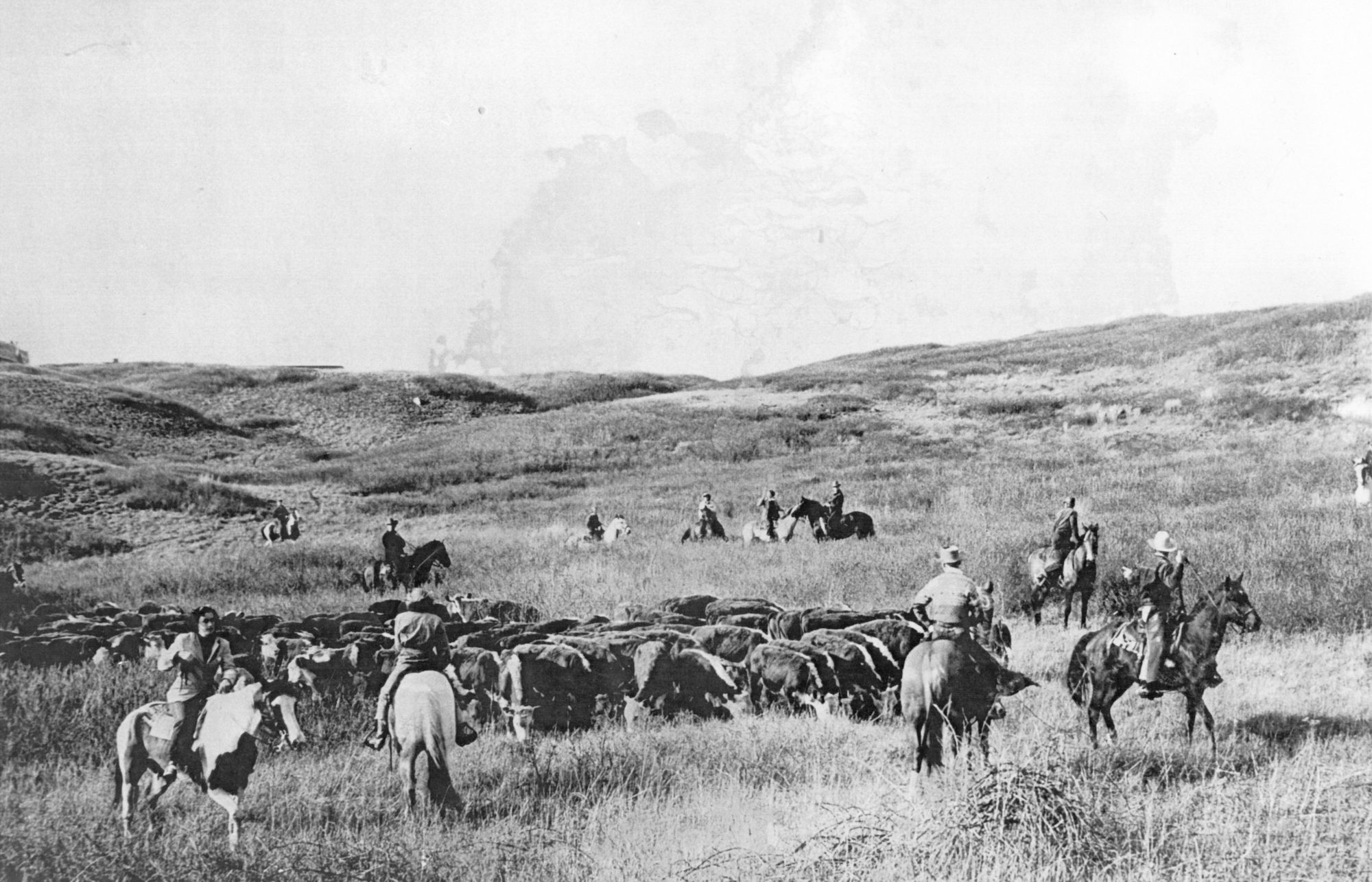
In an oral history interview in 1967, when she was 81, Sarah spoke about cattle roaming the hills and looking forward all year to the annual cattle drives. From the sound of it, life was a lot rougher around the edges during her lifetime, which ended in 1979.
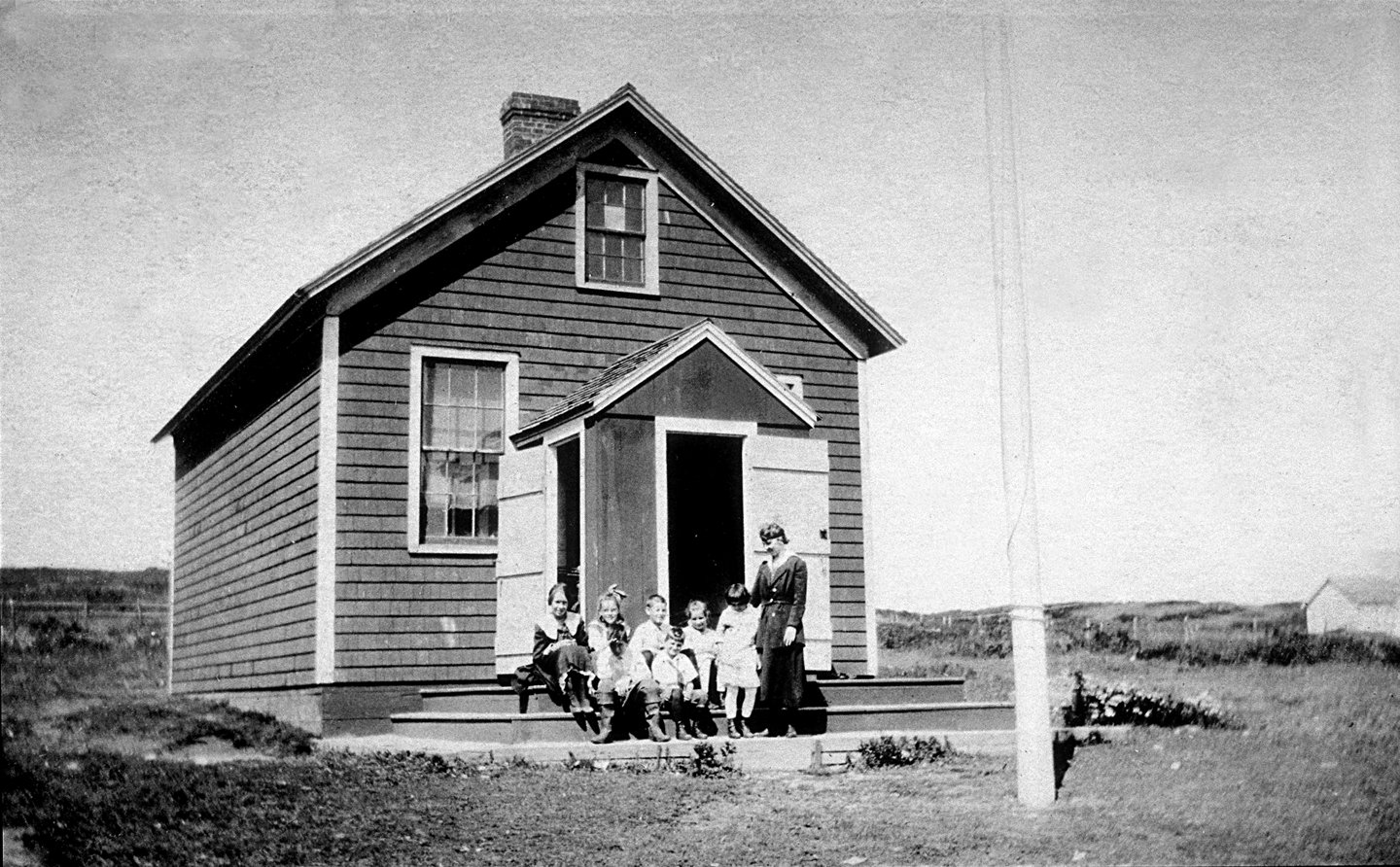
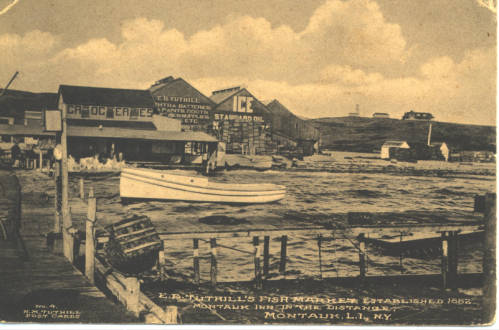
Sarah rode a horse to the little red schoolhouse that she and children from the other Coast Guard families attended, living with the Dickinsons until 1902, when she married Edwin E. Tuthill, who went into the wholesale fish business with his father, E.B. Tuthill, in the village on Fort Pond Bay.
\
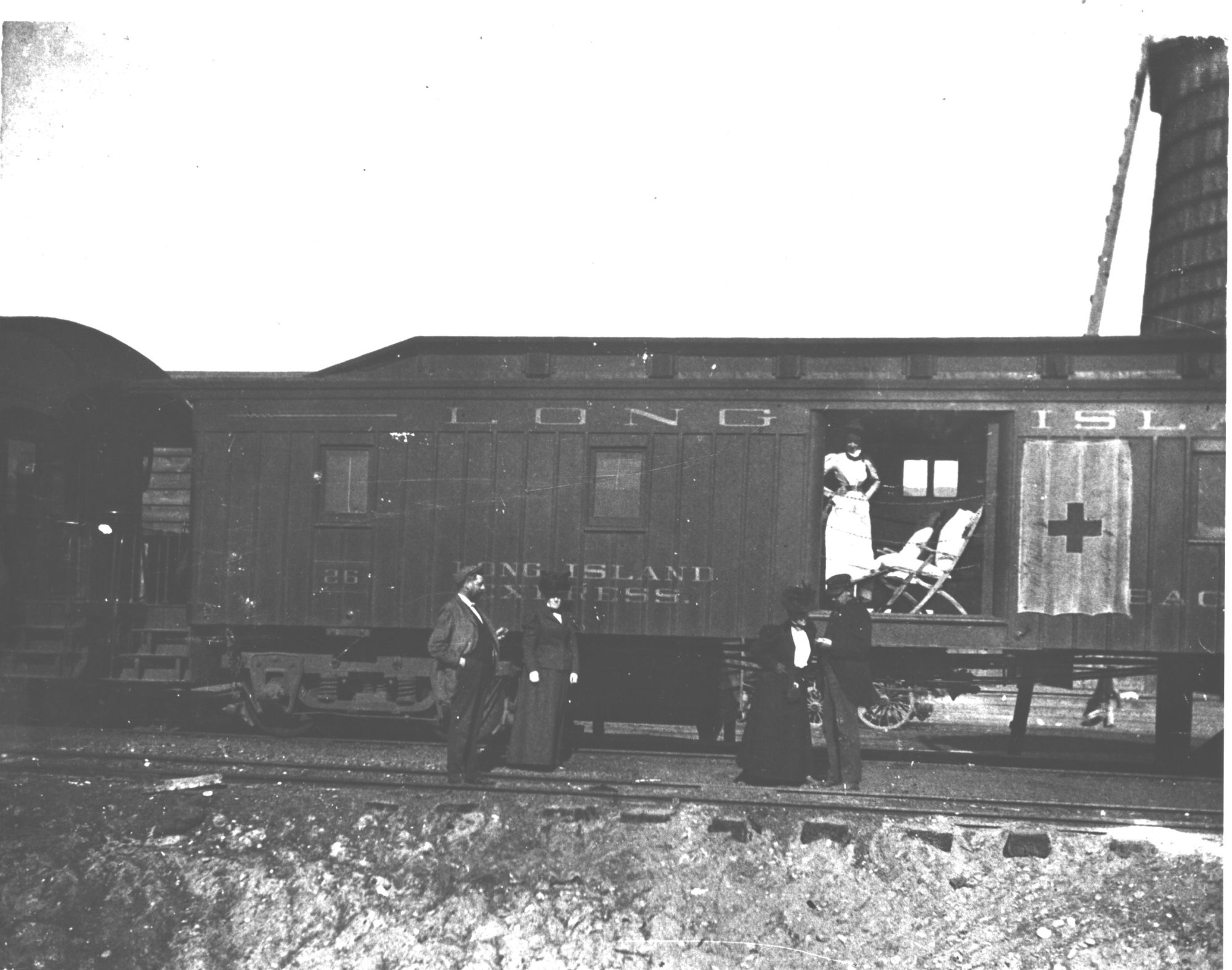
Having been born in 1886, Sarah contracted typhoid fever when troops from the Spanish-American War were recuperating in Montauk in 1898. She also lived through Montauk’s rumrunning days – “Ninety-nine percent of the male population was involved,” she said, recalling fat wads of bootlegging dollars and the sound of gunfire close by.
In her 92 years, she also lived through the 1938 hurricane, the death of one of her children and of other children in her tight-knit circle, and many other tragedies and events that resonated personally in her small community.
“When we saw a stranger walking around, we’d wonder who they were and what they wanted, where they were going,” she said.
Listen to the full interview or to an excerpt that focuses on Montauk at the turn of the century, or on rumrunning in Montauk in the early 20th century.
Reply or Comment