
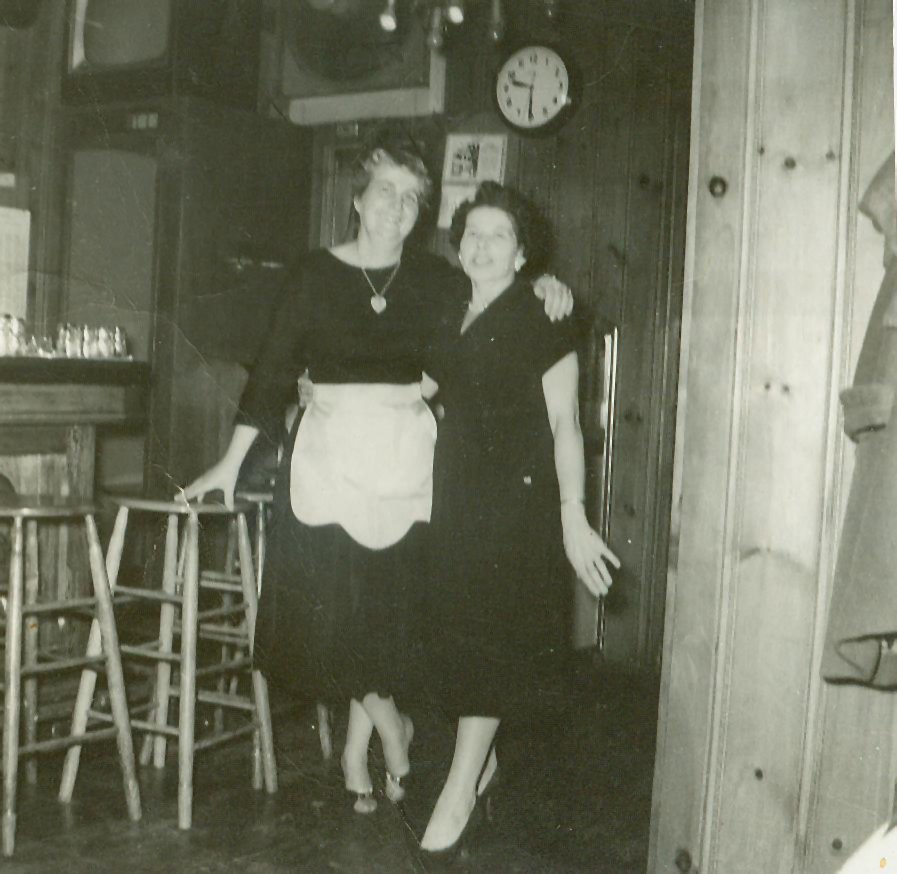
What do all these photos have in common?
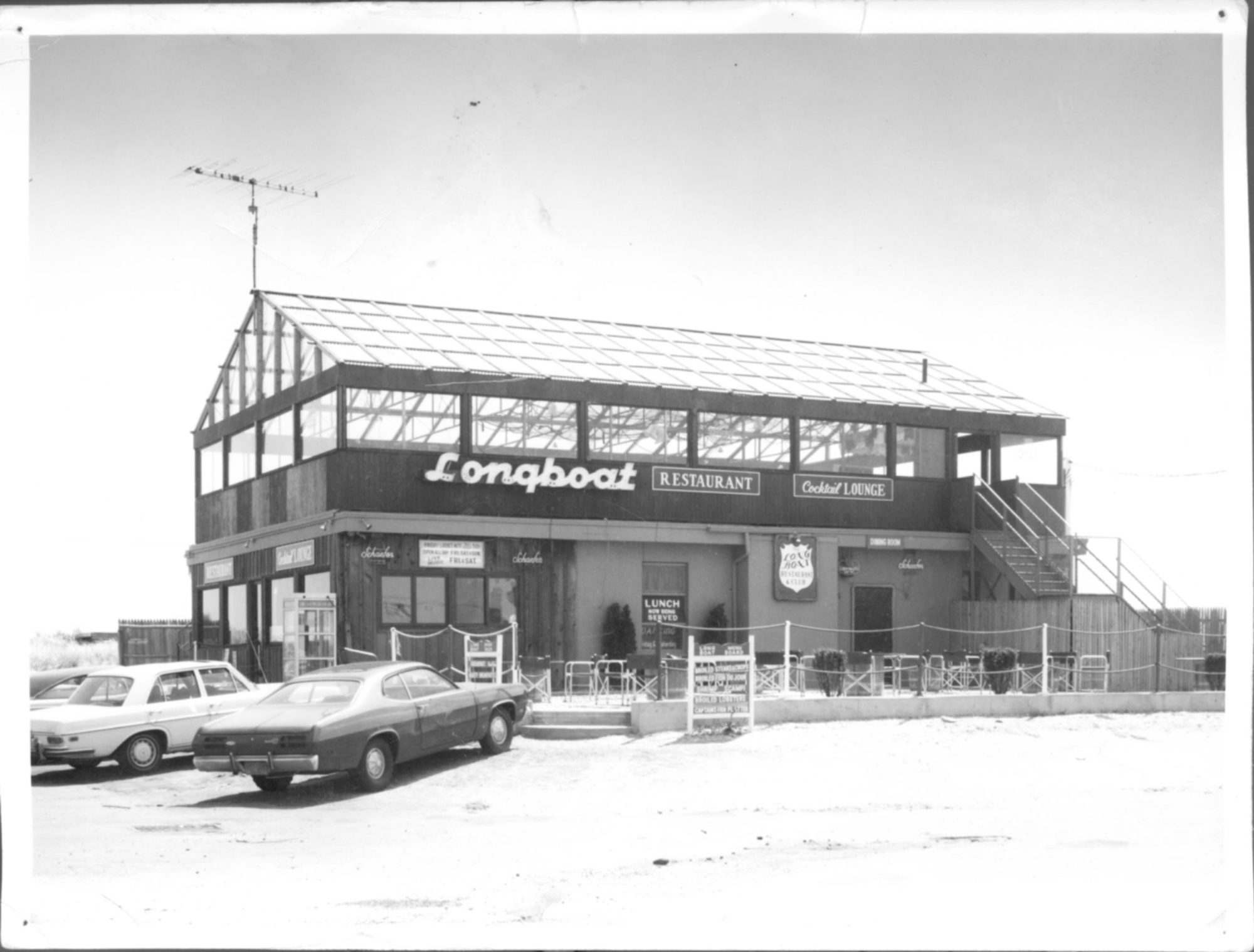
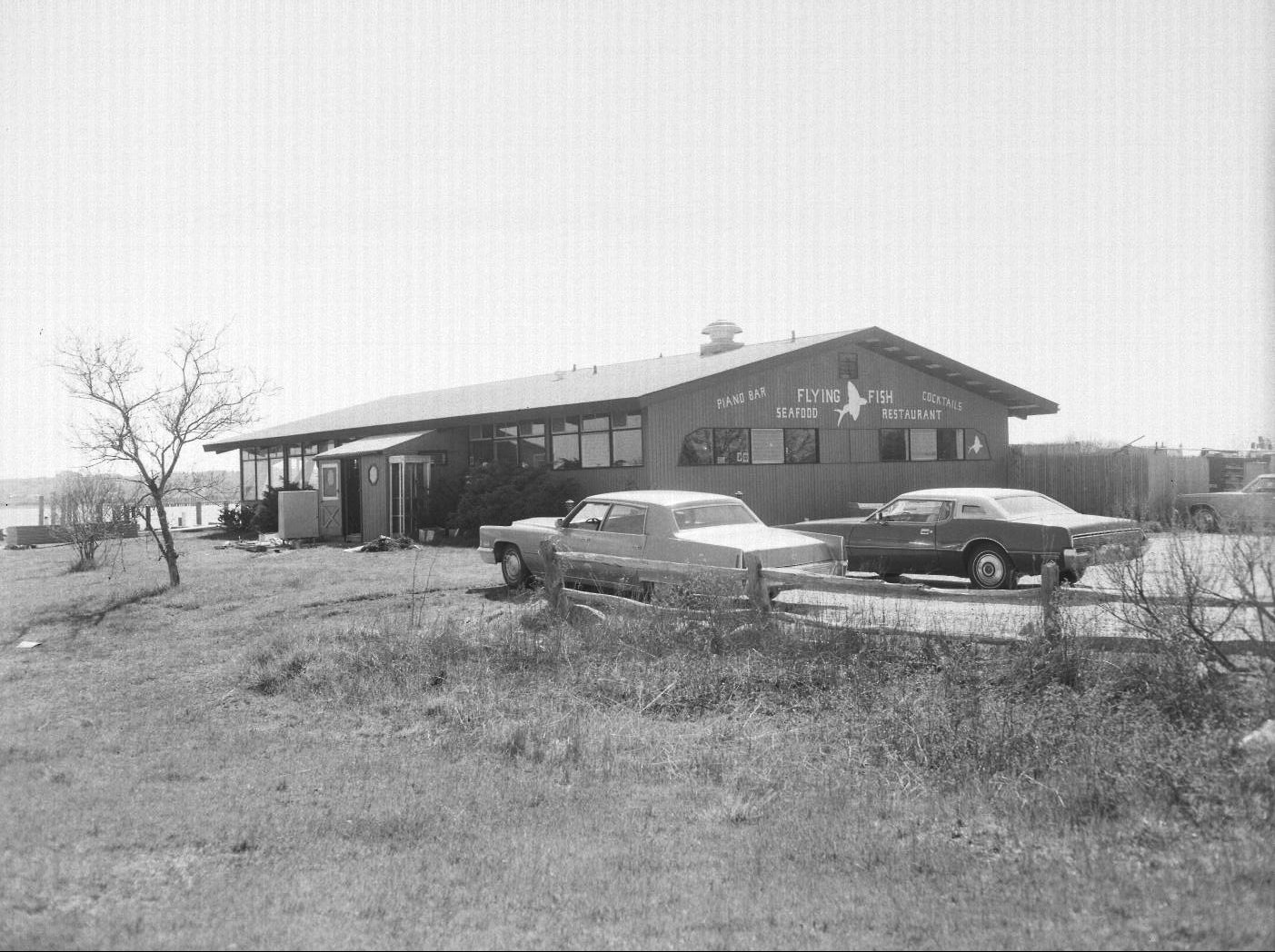
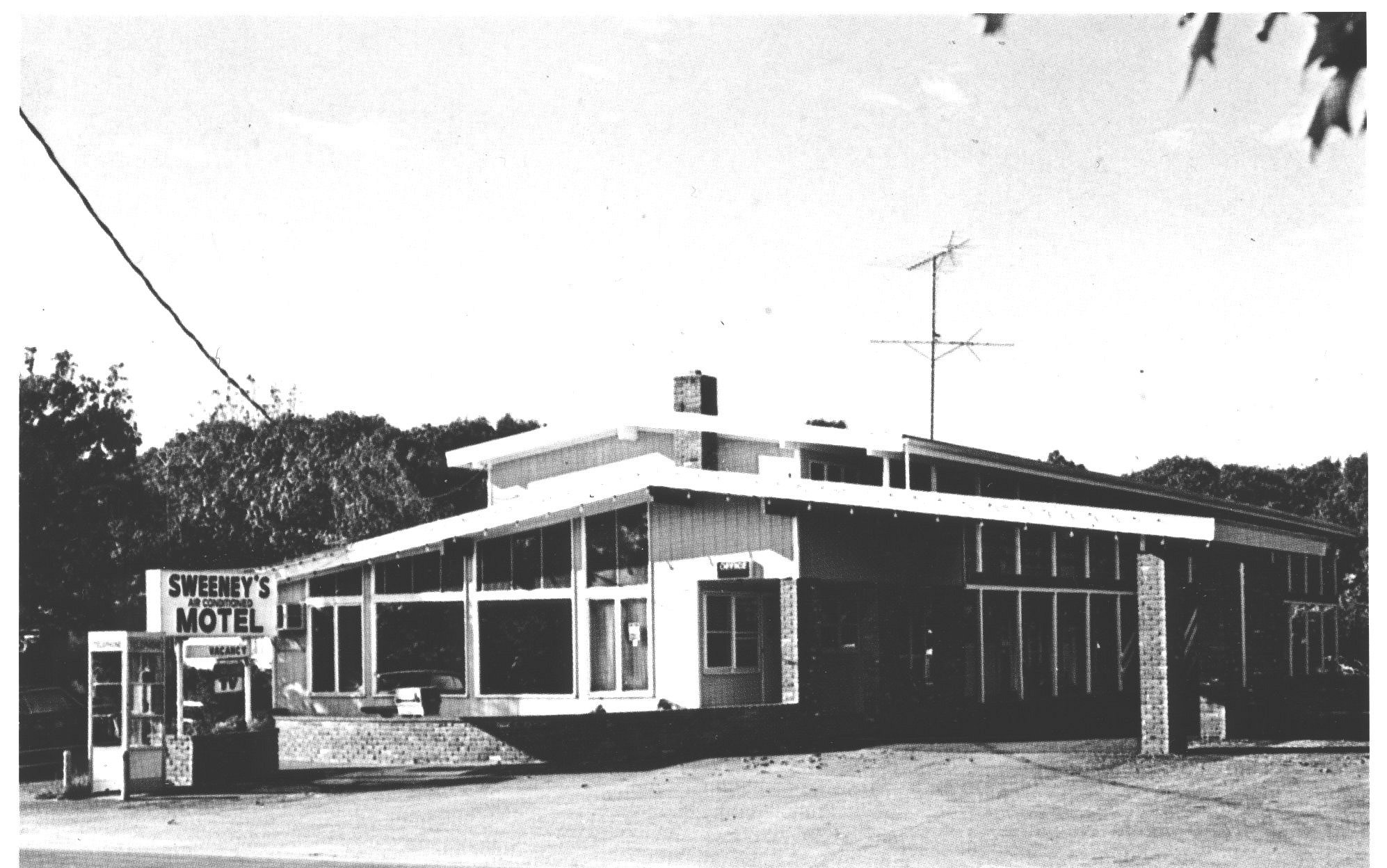
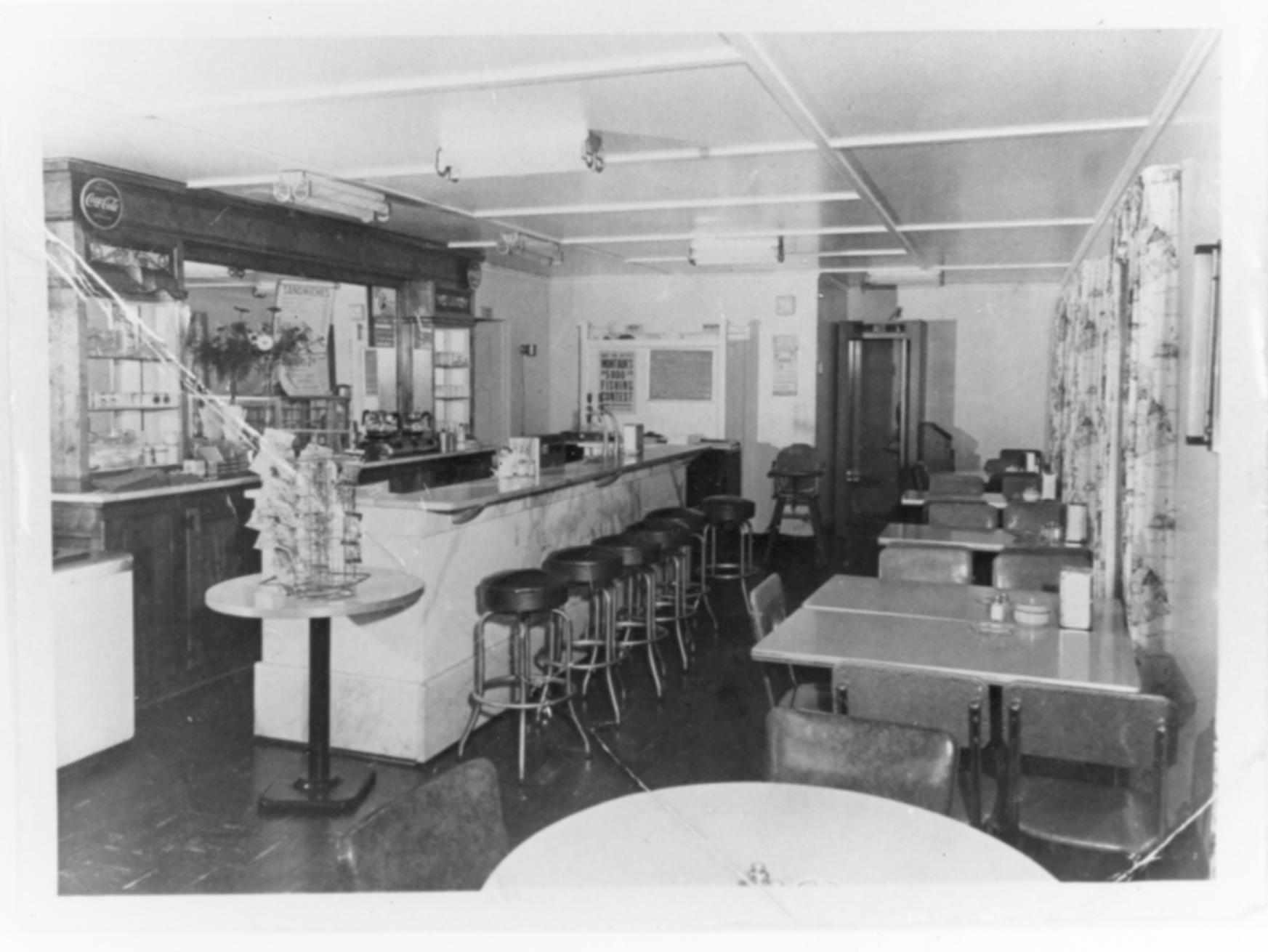
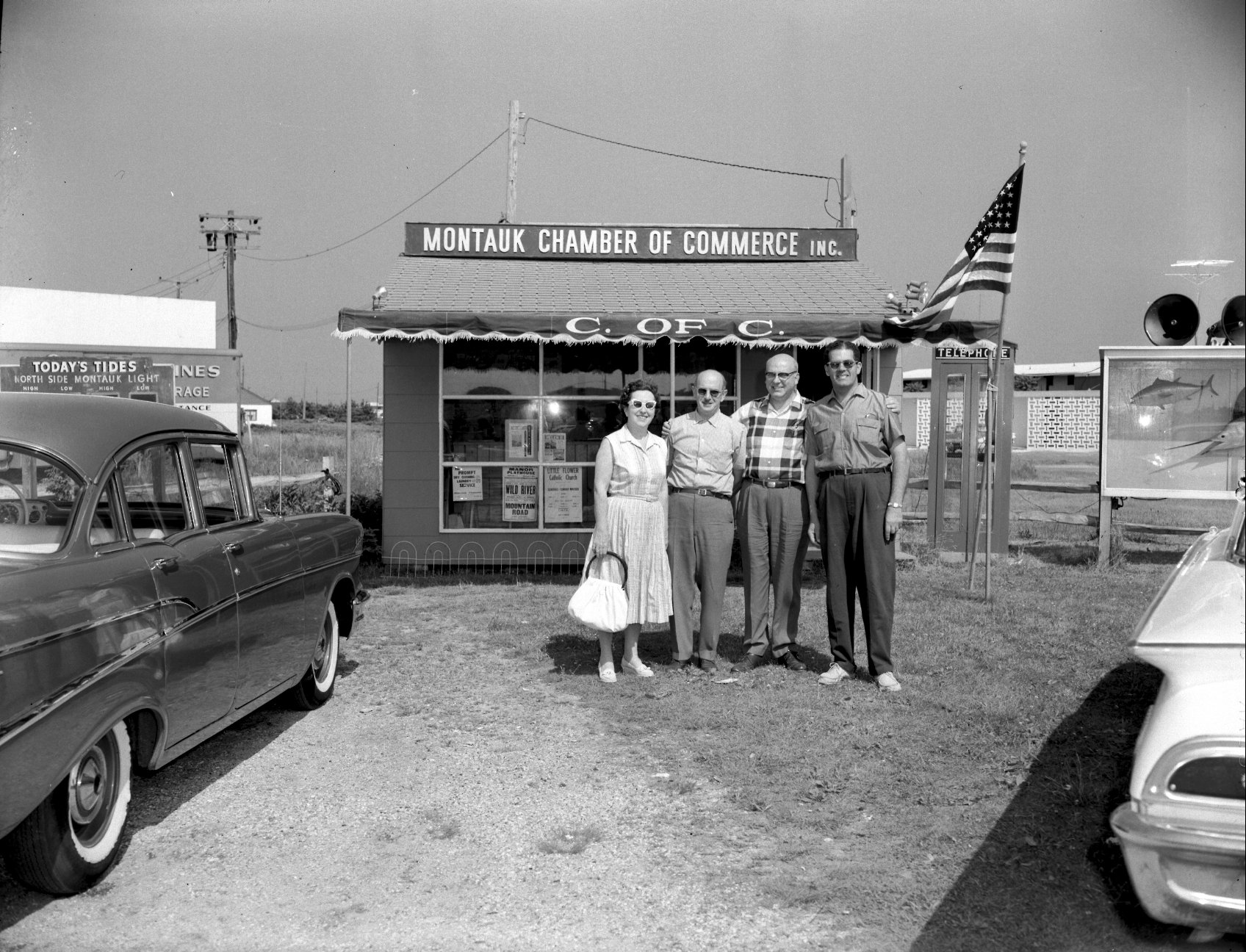
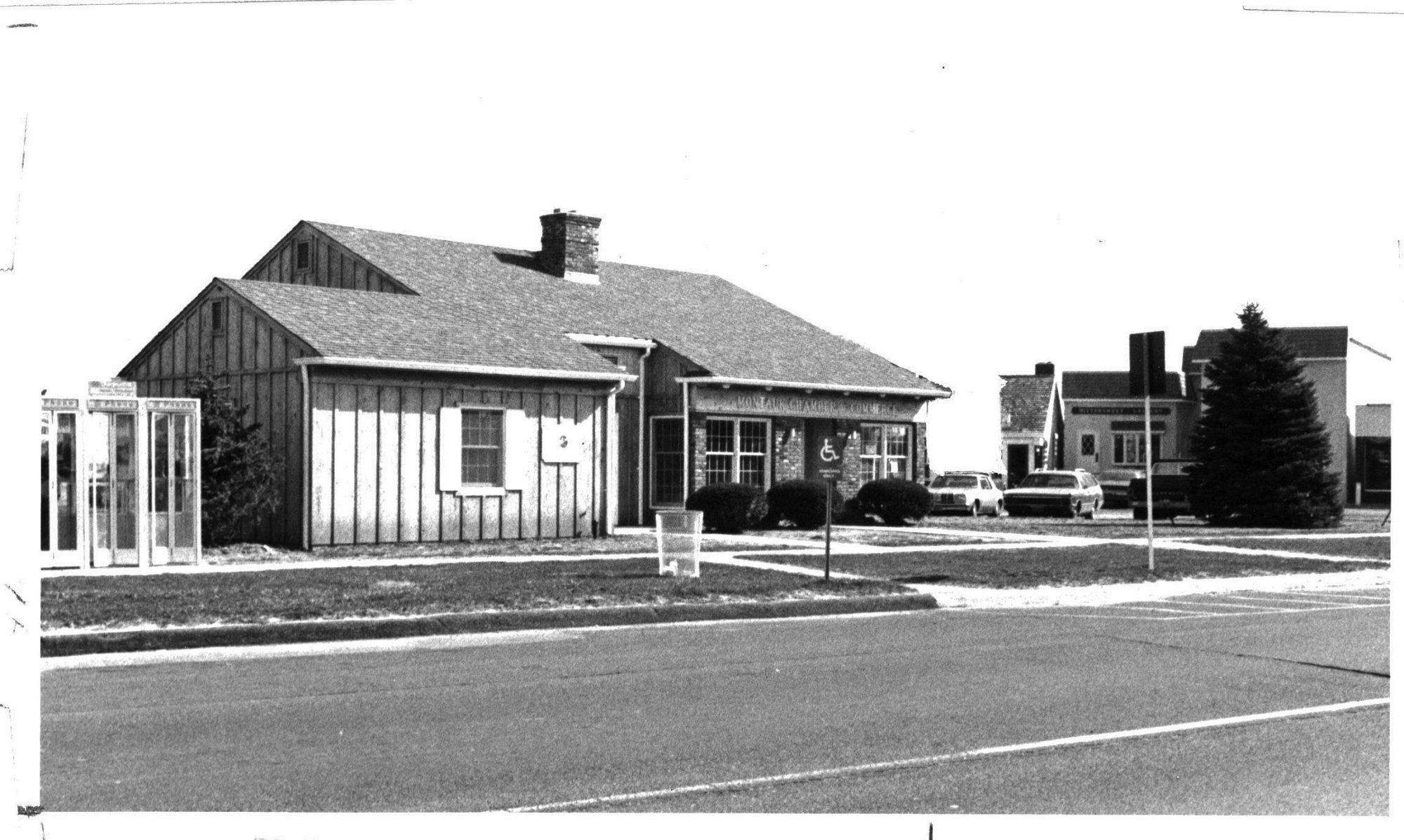
A couple of hints. Think of one’s dismay at seeing a receiver dangling uselessly inside – a pretty sure sign of malfunction. Or think of one filling with rising water while Agents 86 and 99 struggle desperately to get out.
The phone booth – or in British parlance, the “phone box” (like the red one featured in the 1983 film Local Hero) – once provided a place to duck into for shelter, a relatively secure setting for private melodrama and to report emergencies, an anonymous space to make prank calls and pursue criminal activities, a low-pressure chamber in which to collect one’s thoughts. In popular culture it was the booth that allowed Clark Kent to change costume without exposing himself, Get Smart agents to access CONTROL’s HQ, and Dr. Who to travel through time via TARDIS.
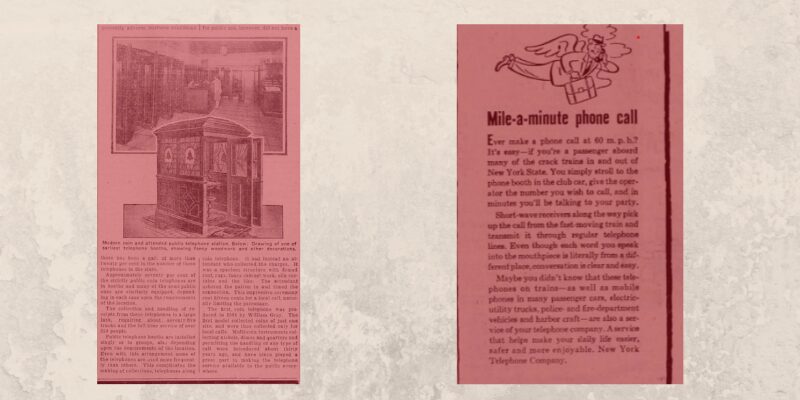
An enclosed “telephone cabinet” on wheels with a desk was reportedly patented in 1883. The first coin-operated payphone was installed in 1889 at a bank in Hartford, Connecticut, by William Gray, who came up with the design after nobody would let him use their phone to call a doctor for his wife. Over time phone booths evolved from wood to glass and metal and began to spring up outdoors as well as indoors. By 1960 the Bell System had installed its millionth payphone, and the payphone peaked at more than 2 million installments around 1995 to 2000.
Phone booths in Montauk often starred in the police logs. Responding on two separate occasions to reports of a robbery and then a shooting in the harbor area, police “found no shooting but noticed someone they described as ‘a short, fat subject at the phone booth’ by the Tipperary Inn,” then went on to charge the grown man with four counts of falsely reporting (by pay phone) an incident.
Unfortunately, public phones often fell victim to vandals and vehicles.
“Several doors of the Sea and Sky Portel in Montauk were kicked in,” another log entry reported, in1986, “the glass of the phone booth was broken and the phone destroyed, it was discovered.”
“Two men were seen walking up to a phone booth at the Ronjo Motel in Montauk at midnight Aug. 9,” went another report, in 1988. “One of them punched the glass pane on it, shattering it, then walked away.”
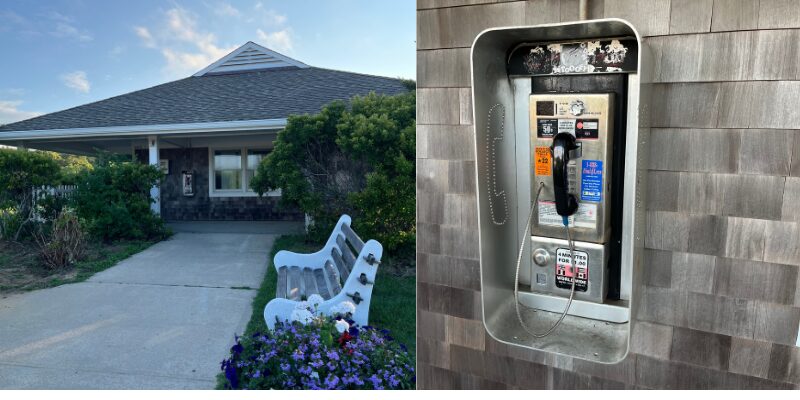
It was the growing popularity of the cellphone, however, that ultimately spelled the death of the payphone, which was meanwhile evolving into “hooded models” that protected the phone machinery and coin box while leaving the user exposed. The first cellphone call was placed in 1973.
“In 2018, it was estimated 100,000 payphones remained in the U.S., with roughly a fifth of them located in New York,” according to Wikipedia. “Four years later, NYC removed its last public one, though some private pay phones remained on public property, and four full-length booths still stood on the Upper West Side in May 2022.”
Montauk still has booth-less pay phones at Montauk Point State Park, one in the harbor area, and one – at least at last glance it was still there – against an exterior wall of the former White’s Drug and Department Store.
Meanwhile, the phone booth was not without its mourners.
“The demise of the phone booth is a blow to gracious living,” Uri Berliner wrote in a sort of obituary in the East Hampton Star in 1986.
He went on to call it “the end of a more generous time when public facilities were made to assist rather than thwart the citizenry.”
Reply or Comment