
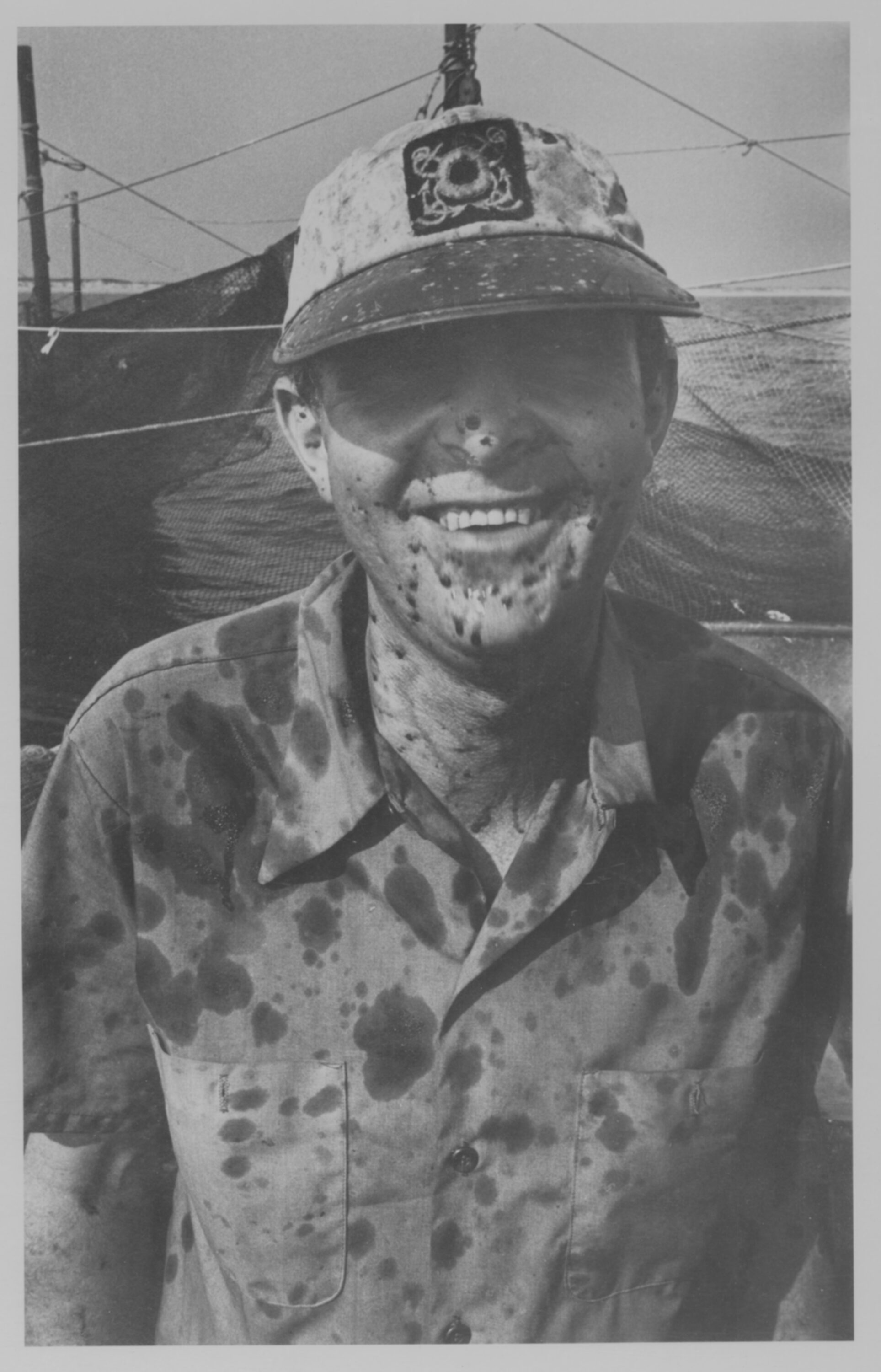
In an oral history interview in 2005, Stuart Vorpahl reminisced about Montauk’s historic fishing village on Fort Pond Bay, its former open grasslands, the travails of fishermen in severe storms, the heartbreaking “Pelican” disaster, and how World War II transformed the lives of many residents.
Stuart, who died in 2016 at 76, was too young to remember Prohibition firsthand, or the Hurricane of ’38, but as a student of local history and grandson of Arthur Bengston, a Montauk sword fisherman who lived on the bay, he was a fount of knowledge about those subjects, as well.
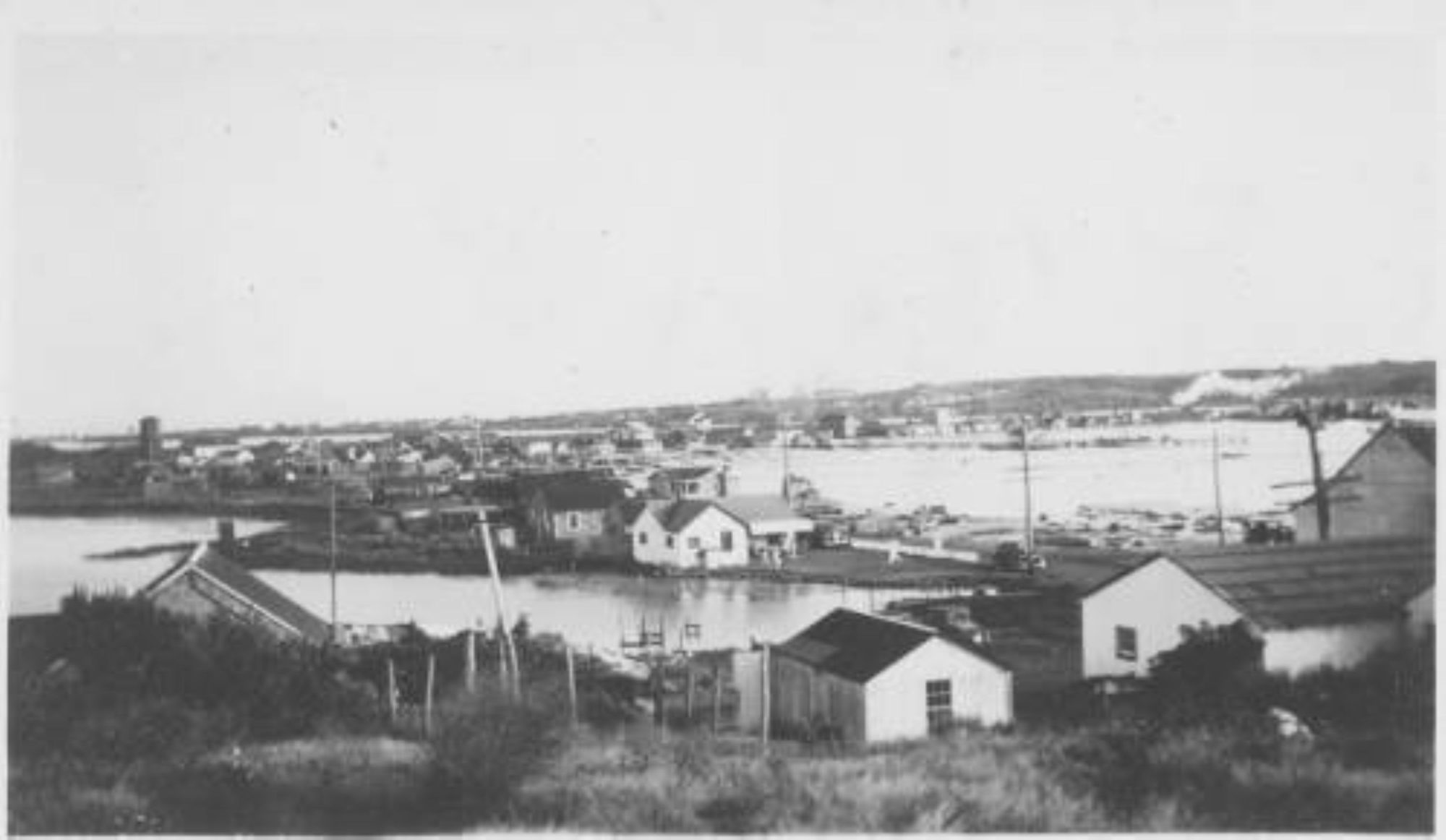

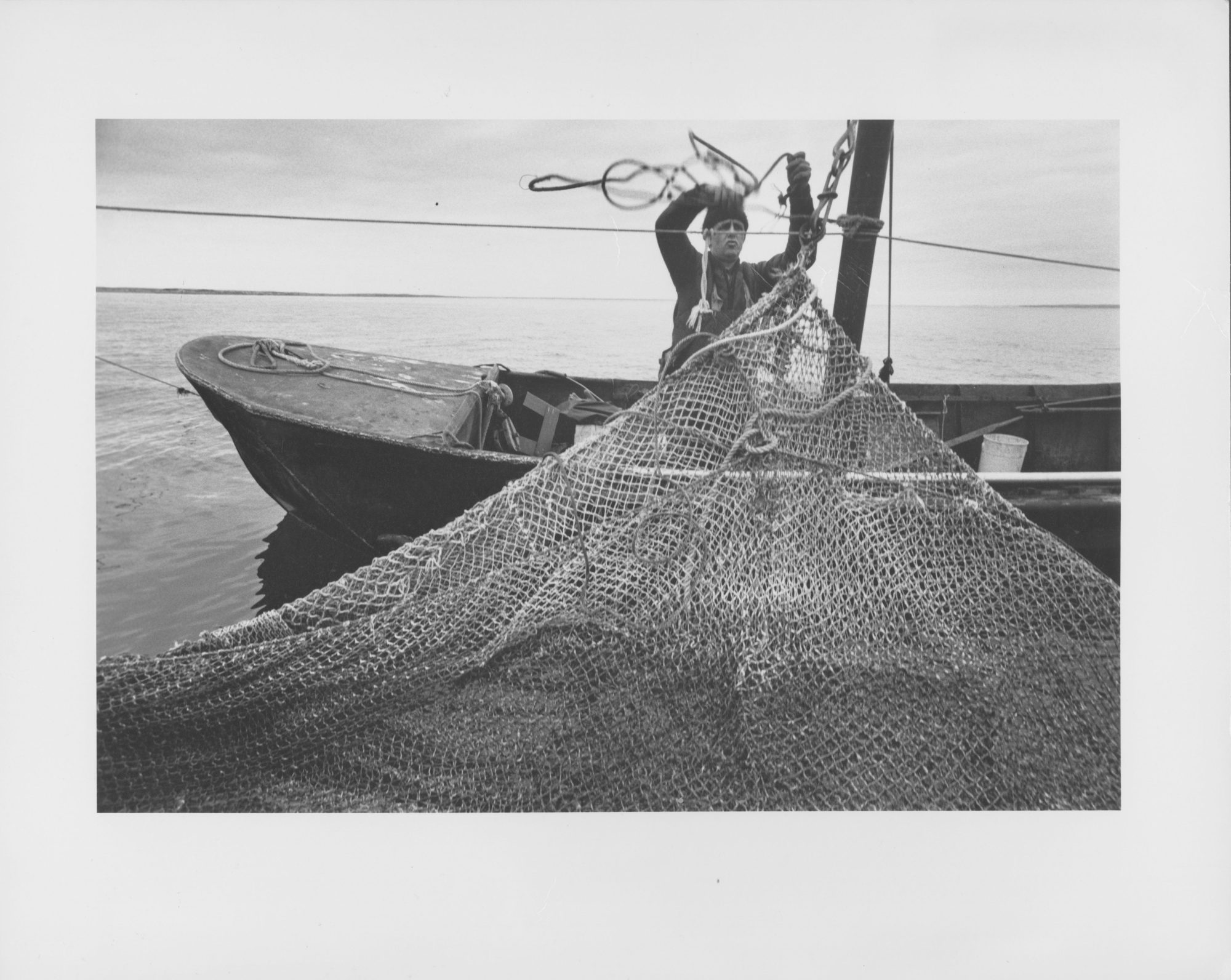
Probably because rationing was in effect and Montauk’s natural resources were not yet being fully exploited, Stuart’s childhood remembrances were often physical: cotton nets and tar works and pine boards and fish boxes and gravel, surging waves and wet sand and crabs and seaweed and salt.
“You can tell how when they lift them up in the railroad car, the size of ’em, two men swinging them, they’re probably about 350 pounds of weight in one of those fish boxes,” he said, elaborating on one of many types of recycling and maintenance that used to be practiced.
“And they were five-quarter pine, pine boards about yay, good planks and perfect to build houses out of ’em. No problem whatsoever. And a lot of people did.”
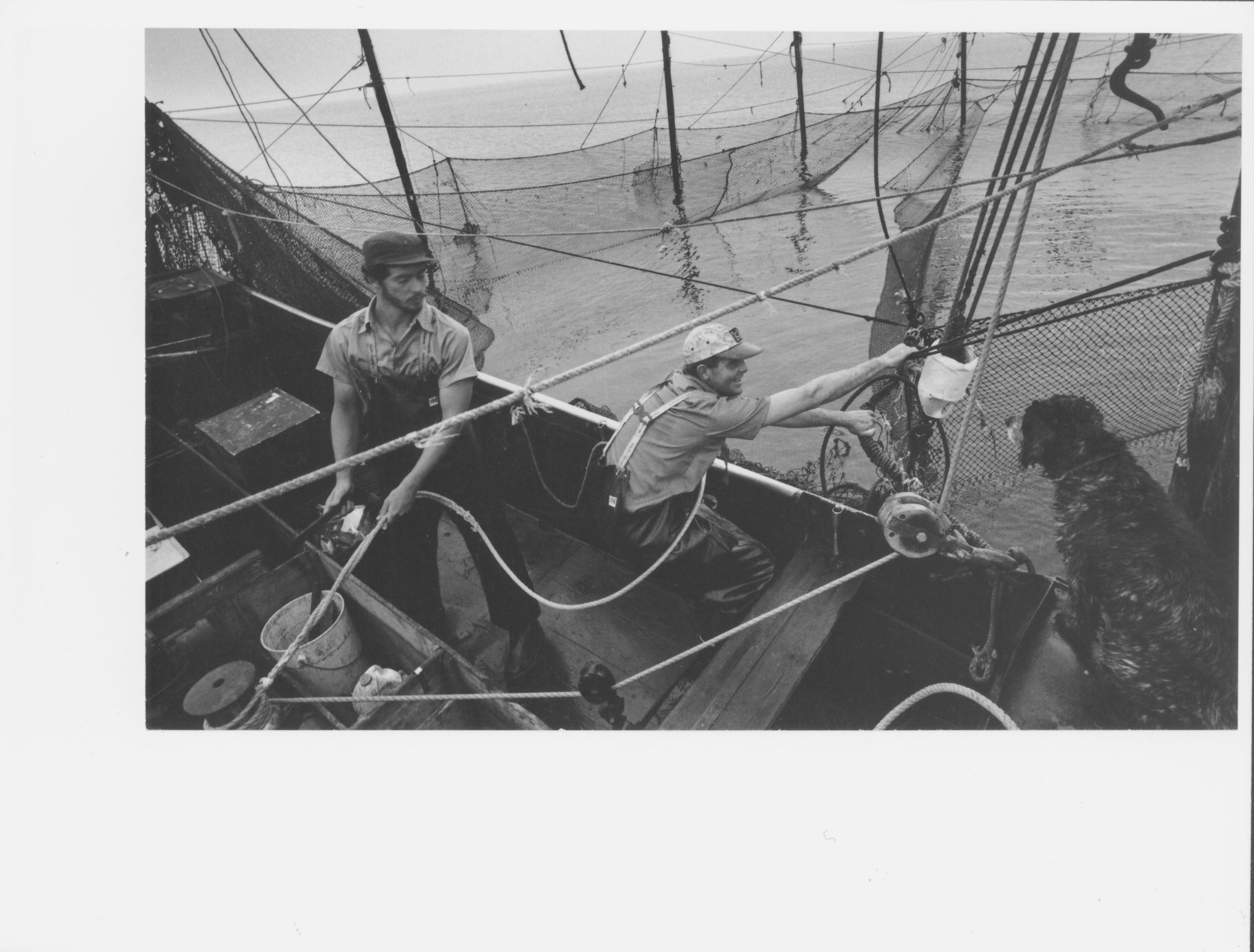
But the oral history interview – which as of this month is available on YouTube – also covers local history and, notably, Stuart’s strongly held views about the local fishing industry.
“No, no recreational fishermen. None. Zero. Wouldn’t give them no fuel because everything was for food,” he said of government rationing during World War II.
“There was no playing with food. That’s something I’ve always had a problem with. Just playing with your food. Yeah, that’s what sport fishermen do. They play with the food supply.”
Agree or disagree, it’s well worth the price of admission to hear how Stuart, who was one of the few living people still speaking a Bonac dialect, would pronounce the word “Montauk.” Listen here.
Reply or Comment